People usually walk into a Botox consultation with two things on their mind: what will it do for my face, and what could go wrong. Those are fair questions. As a clinician who has performed thousands of Botox injections across different ages, skin types, and facial structures, I can tell you that the most satisfying outcomes come from aligning expectations with anatomy. Botox is a precision tool. Used well, it softens habitual muscle activity that etches lines into skin, preserves facial identity, and buys time. Used poorly, it can look flat, heavy, or simply off. This FAQ aims to set realistic expectations and give you the practical details you need to feel confident about a Botox appointment, whether you are booking your first time Botox or refining a long-standing routine.
What is Botox, and how does it work?
Botox is the brand name for botulinum toxin type A, a purified neurotoxin used in both cosmetic and therapeutic medicine. When carefully injected into a muscle, it blocks the release of acetylcholine at the neuromuscular junction. That temporary block quiets the muscle’s contraction, which reduces movement in the treated area. In the face, that means lines caused by repetitive expressions — frown lines between the brows, forehead lines, and crow’s feet — soften and often disappear while the product is active.
It does not fill or plump, and it does not lift skin the way surgery or skin-tightening devices do. Think of Botox treatment as turning down a volume knob on muscle activity. Less motion gives the skin a chance to smooth out and prevents future creasing. In medical contexts, the same principle helps treat migraines, TMJ-related jaw clenching, masseter hypertrophy, and hyperhidrosis by dialing back overactive muscle or gland function.
Where does Botox make the biggest difference?
The best areas for Botox are dynamic lines, the ones that deepen when you animate your face. Across thousands of treatments, the most predictable and satisfying zones include the glabellar complex (frown lines), horizontal forehead lines, and crow’s feet. These three core areas often act as the foundation of a balanced plan.
Other focused uses can refine shape and balance. A lip flip uses micro doses along the upper lip to show more of the vermilion when you smile, without adding volume. Botox for the masseter softens a square jawline and relieves clenching, often helpful for TMJ symptoms. A precise brow lift can gently elevate the tail of the brow by relaxing the depressor muscles around the eyes. Strategic units in the chin soften an orange peel texture. Careful work near the nose can reduce bunny lines, and microdoses along the nostrils can help a gummy smile. Neck bands and jawline definition can be improved in select patients using a Nefertiti-style pattern, although results vary more here than in the upper face. Underarm Botox reduces sweating for months at a time and tends to deliver high satisfaction for people with hyperhidrosis.
Not every location suits every face. The best Botox results come from matching dose and placement to your anatomy. For example, a naturally low-set brow may not tolerate a heavy forehead dose, and thicker skin sometimes needs a different approach than fine, crepe-prone skin.
Who is a good candidate?
If your lines are primarily dynamic and you want a smoother, rested look without changing the core of your expression, you are likely a candidate. Botox for women and Botox for men work the same way, but dosing differs. Men often need higher units because of stronger muscles. People with a history of neuromuscular disorders, active skin infections at the injection site, or an allergy to any component should avoid treatment. If you are pregnant or breastfeeding, postpone. Medications that thin blood might increase bruising risk. Bring a current list to your Botox consultation so your provider can plan accordingly.
Age is less important than pattern. I treat some 26-year-olds with strong frown lines who benefit from Preventative Botox, and I also treat people in their 60s who want a subtle softening of etched lines. The right time is when the lines you see start to bother you or when you notice makeup settling into creases you would rather not see.
What happens during a Botox appointment?
Most first-time patients are surprised by how quick it is. A Botox appointment begins with a consultation and assessment: photos, expressions, brow position, eyelid anatomy, skin thickness, and any asymmetries. The injection part takes 5 to 15 minutes for common areas. We clean the skin, map points, and use a fine needle to deliver small amounts where the muscle is most active. You will feel brief pinches and sometimes a dull pressure. Bleeding is minimal. Makeup can usually be reapplied after a few hours, once tiny injection points have settled.
I prefer patients come with a light, clean face and skip intense workouts for the rest of the day. No facials, saunas, or aggressive face massage for 24 hours. These simple steps help reduce swelling and the unlikely risk of diffusion into adjacent muscles.
How long does Botox take to work, and when will I see full results?
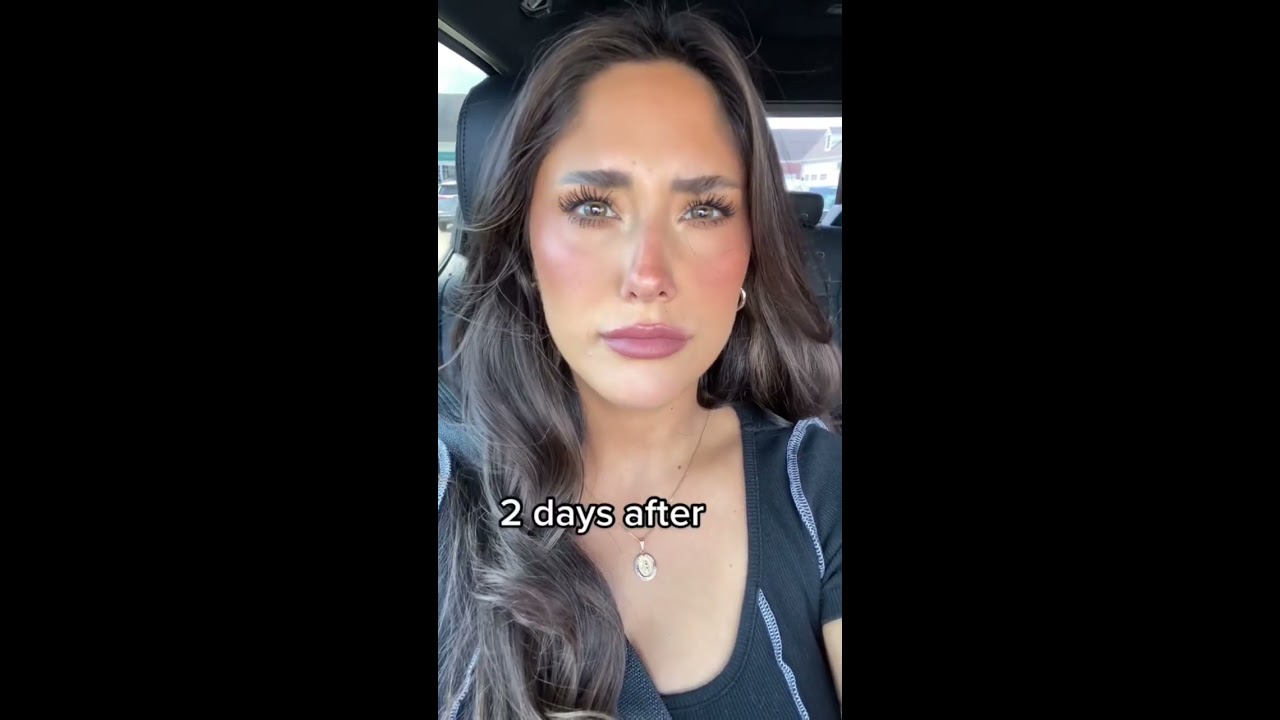
Botox results follow a recognizable timeline. Early changes appear by day two or three as the muscle begins to quiet. Most people see their Botox before and after difference clearly at day 7 to 10, when the effect stabilizes. The endpoint can take up to two weeks. This is the moment to judge your outcome, not day two.
If a touch up is needed — for example, a persistent line in one brow or more motion than you prefer at the outer crow’s feet — small adjustments are made at a follow-up visit around week two or three. Good providers plan for this. It is not a failure, it is how we personalize Botox treatment to your face.
How long does Botox last?
Expect Botox duration of about 3 to 4 months in the upper face. Some people hold closer to 2.5 months, others stretch to 5 months, depending on metabolism, muscle strength, dose, and area. Crow’s feet can fade sooner than the frown lines. Masseter Botox and underarm Botox often last longer, commonly 4 to 6 months, and sometimes beyond. First-timers sometimes metabolize a bit faster. With consistent Botox maintenance, lines soften between visits and you may be able to maintain results with modestly lower doses over time.
What does Botox cost?
Botox prices vary by region and by provider expertise. You will see two common models: price per unit and price per area. In the United States, per-unit pricing typically ranges from 10 to 25 dollars, with big-city practices leaning higher. An average glabella (frown) treatment might use 15 to 25 units. Foreheads can range from 6 to 20 units, crow’s feet 6 to 12 per side. Masseter treatments can run 20 to 50 units per side depending on muscle bulk. Hyperhidrosis of the underarms commonly uses 50 units per side.
Be cautious with Botox deals that seem too cheap. Deep Botox discounts are often offset by diluted product, inexperienced injection, or rushed evaluations. An affordable Botox plan should prioritize quality and safety, not just the lowest price. Ask about the brand used, how many units you will receive, and whether a follow-up visit is included. Botox specials or Botox offers can be legitimate when tied to loyalty programs or seasonal events at established practices.
" width="560" height="315" frameborder="0" allowfullscreen="" >
What does a safe, natural result look and feel like?
A natural Botox result preserves your expression, just less of the motion that creates creases. You should still be able to lift your brows, smile, and frown, just not fold the skin into sharp lines. If someone says you look refreshed or well-rested without being able to pinpoint why, that is the right neighborhood.
Natural Botox depends on measured dosing. Baby Botox or mini Botox uses micro-aliquots in multiple points to feather the effect, excellent for first-time Botox or for people in creative or performance fields who need to keep expressive range. A strong frown complex may need full dosing up front, while a forehead with thin skin benefits from a lighter touch to avoid heaviness. Nuance matters.
What are the side effects and risks?
Short-term, you might see tiny red bumps at injection points for 15 to 30 minutes, occasional bruising, or a mild headache. These resolve on their own. Some people feel a temporary sense of “tightness” as the product sets. Make-up can cover a small bruise, and arnica or cold compresses help if you bruise easily.
Less common side effects include asymmetric brows, a heavy forehead, or a droopy eyelid. These usually result from migration into adjacent muscles or from dosing that does not match your anatomy. They tend to be temporary, fading as the product wears off. Skilled injection technique, conservative initial dosing, and a specific aftercare plan reduce risk.
Rare allergic reactions can occur. If you experience widespread hives, breathing difficulty, or severe swelling, seek medical attention. People with neuromuscular conditions require individual risk assessment. Overall, when performed by a trained Botox doctor or Botox specialist with attention to anatomy and sterile technique, Botox is a safe cosmetic procedure with one of the most studied safety profiles in aesthetics.
How should I prepare before my visit?
Skip alcohol the night before and hold nonessential blood-thinning supplements such as fish oil, ginkgo, or high-dose vitamin E for a few days if your primary doctor agrees, since they can increase bruising. Pain relievers like ibuprofen also thin blood, so discuss alternatives. Hydrate, and arrive with a clean face. Bring prior Botox results photos if you have them, along with notes about what you liked or did not like from past treatments. If you have an upcoming photo shoot or event, share the date so your provider can time your Botox results timeline for peak effect.
What does aftercare look like?
You can return to desk work immediately. I ask patients to avoid vigorous workouts, hot yoga, or saunas until the next day. Skip tight hats, heavy facial massage, or sleeping directly on the face that first night. Light facial expressions are fine. Resist the urge to keep touching the treated areas. Makeup is okay after a few hours once the skin surface has sealed.
How often should I get Botox?
Most patients repeat treatment every 3 to 4 months for consistent outcomes. Some rotate areas on different cycles. If you prefer a softer anti-aging Botox approach, you may accept https://www.instagram.com/alluremedicals/ more motion for a month between sessions. There is no one correct rhythm. It should match your goals, budget, and how your face holds the result.
What is the difference between Botox and fillers?
Botox anti-wrinkle therapy relaxes muscle movement. Dermal fillers add volume or structure. If your lines are etched into the skin even when you are not animating, neurotoxin alone may not fully erase them. A hybrid approach sometimes works best: Botox to stop creasing, plus a thin hyaluronic acid filler to lift the line. For temples, cheeks, or nasolabial folds, fillers address volume loss. For forehead lines driven by motion, Botox is primary. The right combination depends on whether the problem is movement, volume, or both.
How do Dysport, Xeomin, and Jeuveau compare?
These are other FDA-approved botulinum toxin type A products. In practice, Botox vs Dysport vs Xeomin vs Jeuveau differences are subtle and often come down to onset speed, spread characteristics, and patient preference. Dysport may show a slightly faster onset for some and can diffuse a bit more, which can be helpful or unhelpful depending on the area. Xeomin is a “naked” toxin without complexing proteins, which matters for a narrow set of patients. Jeuveau performs similarly to Botox in many cases. An experienced Botox provider can explain why one choice might fit your goals or anatomy better. Most patients can achieve Best Botox results with any of these when dosing and technique are correct.
Can Botox help migraines, TMJ, or sweating?
Yes. Medical Botox, also called therapeutic Botox, has FDA approvals and established protocols for chronic migraine and axillary hyperhidrosis. For migraines, injections follow a standardized pattern across the scalp, forehead, temples, neck, and shoulders, repeated every 12 weeks. Patients often report fewer headache days and reduced intensity over time. For underarm hyperhidrosis, Botox blocks the sweat gland’s signal, keeping the area drier for several months.
For TMJ and clenching, masseter Botox can reduce pain and protect teeth from wear by lowering bite force. It also narrows a bulky lower face in people with hypertrophied masseters. Expect a functional change first, and then contouring over weeks as the muscle deconditions. You should still be able to chew normally, but avoid very tough foods for the first week while you adapt. If your problem is joint damage rather than muscle overactivity, Botox may not solve it entirely. A thoughtful evaluation often includes your dentist or orofacial pain specialist.
What about preventative Botox?
Preventative Botox makes sense when you see lines forming with expression that linger slightly at rest. The goal is to intercept the crease before it imprints deeply. This is most common in the glabella for chronic frowners or in people whose jobs involve bright-stage lighting or squinting outdoors. A light, consistent schedule works better than large, infrequent doses. The earlier you start, the more conservative the dosing can be.
What does a great consultation look like?
A strong Botox consultation has three parts. First, your provider studies how your face moves at rest and in animation. Second, you discuss what you want to keep and what you want to change, for example, “I want softer frown lines, but I still need to lift my brows for expression.” Third, the plan is written in units and mapped to muscles, with a note about expected duration and the follow-up plan. You should leave with clear aftercare, a realistic Botox results timeline, and an understanding of costs. If you are shopping for a Botox clinic or a Botox med spa, ask how they dose, whether they use preserved or preservative-free saline, and how they handle touch ups.
Are there myths I should ignore?
Several, and they show up in every waiting room. Botox will not freeze your face if the injector understands your brow dynamics and uses measured dosing. It does not build up permanently in your system; the effect fades as new nerve terminals form. It also does not cause wrinkles to worsen after you stop. What happens is your muscles return to baseline activity, and the clock resumes where it left off. Finally, Botox is not only for women. Botox for men is one of the fastest-growing segments, particularly for frown lines and masseter clenching relief.
How do you avoid a heavy forehead or weird brows?
A heavy feeling usually comes from too much toxin in the frontal belly or from failing to balance the brow depressors with the elevators. The forehead’s job is to lift the brow. If your natural brow sits low, you need lighter dosing up top and enough treatment in the glabella to prevent compensatory frowning. Small changes in point placement can change brow shape. I often do a staged approach for first-timers: conservative forehead dosing at day 0, reassess at day 10, then feather in additional units if needed. This reduces the chance of overcorrection.
What is the best way to time treatment around events?
Two weeks before a major event is the sweet spot. That allows the effect to peak and any small bruise to resolve. If you need a Botox touch up, you still have headroom for it by day 10. For brides, performers, and public speakers, I recommend a trial session at least two months before the event to fine-tune dosing. Do not experiment with new areas the week before photographs.
What if I want subtle changes that no one notices?
That is where Baby Botox and micro-dosing shine. Instead of 20 units in the glabella, we might use 10 to 12, distributed more widely to create a gentle softening. For crow’s feet, three micro points instead of four standard ones can keep your smile lines alive while minimizing the etching that catches concealer. Combining low-dose Botox with skincare — a retinoid at night, vitamin C in the morning, and diligent sunscreen — often outperforms more toxin without good skin health.
How do I choose the right provider?
Look for a Botox expert with a track record of natural results. Credentials matter: physicians in dermatology, facial plastics, oculoplastics, and experienced nurse injectors under physician supervision tend to have deeper training in facial anatomy. Review real patient Botox before and after images from that clinic, not stock photos. During your visit, notice whether the injector listens more than they talk. If you ask “How does Botox work for my brow asymmetry?” the answer should reference your anatomy, not a memorized script. If you search “Botox near me,” you will find plenty of options. Prioritize experience and communication over the lowest number on a postcard.
What if I tried Botox and did not like it?
Give it time to wear off, then try a different approach. Many unhappy experiences come from the wrong dose or pattern, not from Botox as a therapy. Tell your new provider exactly what felt off. Perhaps the forehead felt heavy because the frontalis was overtreated, or the outer brow peaked sharply due to aggressive lateral points. Adjusting these variables usually solves the problem on the `botox` near me next round. In rare cases, switching products to Dysport, Xeomin, or Jeuveau can fine-tune spread and feel.
How does lifestyle affect my results?
Metabolism, exercise intensity, and sun exposure all play roles. Very high-intensity training can shorten duration in some people. Heavy sun exposure accelerates collagen breakdown regardless of Botox. Good skincare habits extend the quality of your result. Hydration, sleep, sunscreen, and a retinoid do as much for long-term skin appearance as any syringe. If you grind your teeth at night, a night guard pairs well with masseter Botox for more complete relief.
What happens as I keep using Botox over years?
The goal is long-lasting Botox benefits without a frozen look. With regular treatment, the targeted muscles decondition a bit, which decreases their pull on the skin. That means fewer etched lines at rest and less need for aggressive dosing. Many patients maintain with 20 to 30 percent lower doses than they started with. Planning changes with age. As brows descend with time, you may migrate units away from the forehead and into the depressors, or pair Botox with modalities that address skin laxity and volume shifts. Customized Botox is not a one-time recipe. It evolves with your face.
Can Botox replace surgery?
No. Botox can fake a small lift by rebalancing muscle forces, for example a subtle Botox brow lift or a cleaner jawline with neck band relaxation in select cases. But it cannot remove extra skin or tighten lax tissue the way a surgical lift can. If your primary concern is sagging rather than wrinkles from movement, discuss noninvasive tightening or surgical options with your provider. Botox is a powerful part of anti-aging, not the only tool.
What does a realistic plan look like for different goals?
For a 32-year-old software engineer with deep glabellar lines and mild forehead creases, I might plan 18 units to the frown complex, 8 to the forehead, and 6 per side for crow’s feet. We review at day 12 for a 2 to 4 unit touch up if needed. For a 45-year-old teacher with strong crow’s feet and a low-set brow, I treat the frown complex and crow’s feet more fully, and keep the forehead light at 6 units divided across upper points to preserve lift. For masseter heavy clenching in a 28-year-old, I begin at 25 to 30 units per side, reassess bite comfort at 6 weeks, and adjust to 20 to 24 units for maintenance. For underarm sweating, 50 units per side mapped across the axilla gives months of relief and improved wardrobe choices.
What about combining Botox and skincare?
They complement each other. Botox reduces crease formation, while skincare improves texture, pigment, and barrier function. A daily routine with SPF 30+, vitamin C serum in the morning, and a retinoid at night smooths and strengthens the canvas that Botox protects. In-office treatments such as light chemical peels or microneedling stitch in nicely between Botox sessions, just schedule them a week apart from injections to avoid unnecessary irritation.
A quick comparison you can screenshot
- Botox vs fillers: motion control vs volume restoration. For dynamic lines, Botox. For folds and volume loss, fillers. Many faces benefit from both. Botox vs Dysport vs Xeomin vs Jeuveau: small differences in onset and spread. Dose and technique drive outcome more than brand. Preventative Botox vs corrective Botox: lighter, earlier, and more frequent vs higher dose for established lines. Both valid, chosen by pattern and preference. Baby Botox vs standard dosing: micro-doses for subtlety and retained expression vs fuller dosing for stronger muscles and longer duration. Cosmetic Botox vs therapeutic Botox: wrinkle reduction vs medical conditions like migraines, TMJ, and hyperhidrosis. Same molecule, different patterns.
What should I ask at my first visit?
Use five questions that focus the conversation.
- Which muscles are you targeting, and why those points for my anatomy? How many units are you planning per area, and what is the expected duration? What are the trade-offs if we go lighter or heavier? How do you handle touch ups and follow-up timing? May I see your own patient Botox results photos for the areas we are treating?
These simple prompts turn a generic appointment into a personalized Botox rejuvenation treatment. They also help you compare providers in a meaningful way, beyond advertised Botox prices.
Bottom line for a first-time patient
Botox is both simple and nuanced. The Botox procedure itself is brief and safe in experienced hands, yet the planning behind it is thoughtful. You will see noticeable Botox results within two weeks, and you can maintain them season after season with minor adjustments. The best Botox is not obvious to strangers. It just reads as rested eyes, a smoother brow, and an easier smile.
If you are searching “Where to get Botox” or “Botox near me,” prioritize a Botox provider who treats faces like fingerprints, not templates. Bring your goals, your history, and an open conversation to your next Botox consultation. With the right plan, you will know exactly what to expect from your Botox before and after — from the quieting of a stubborn frown to the confidence that comes from a face that reflects how you feel.